


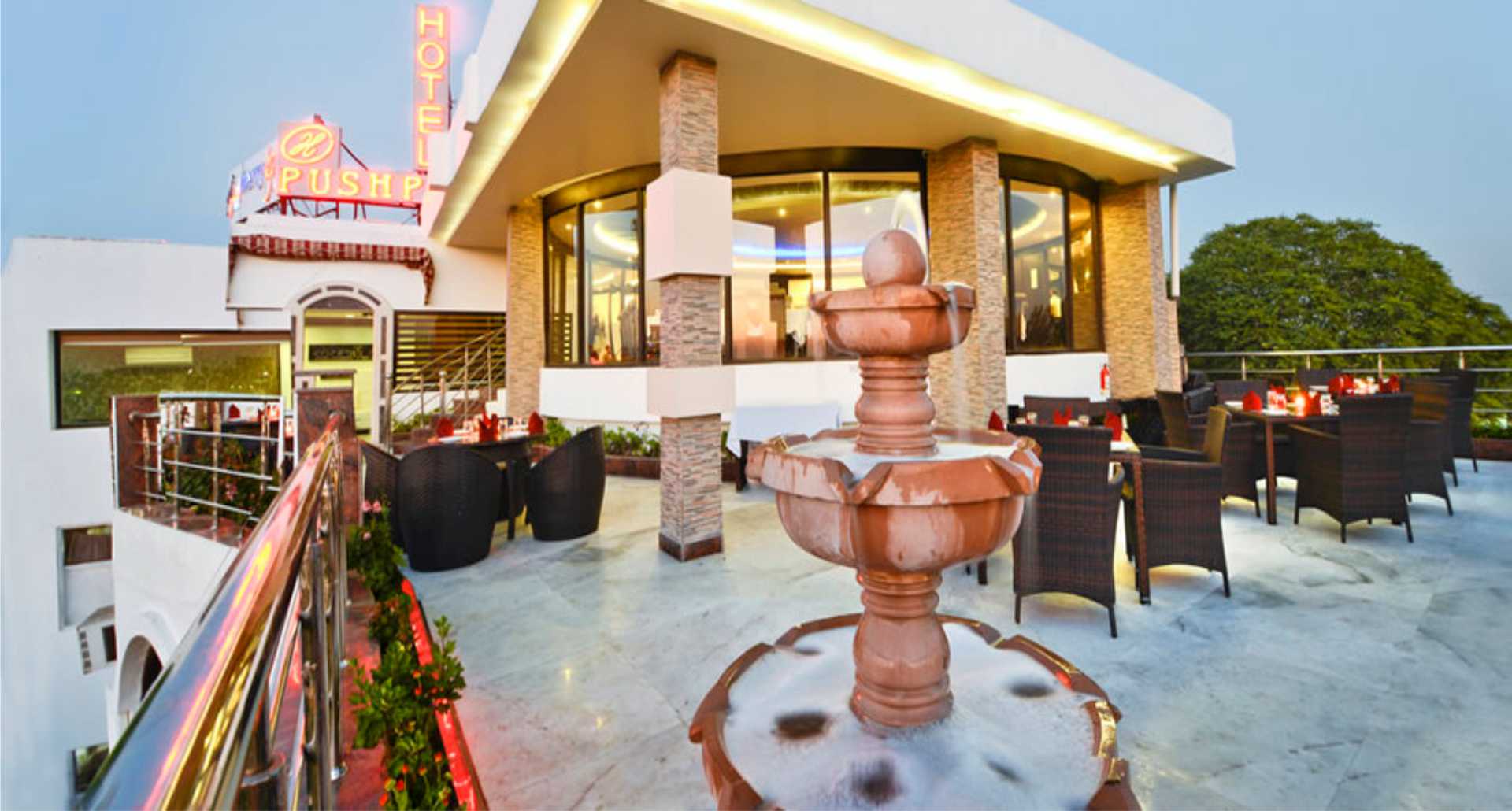

our great offers
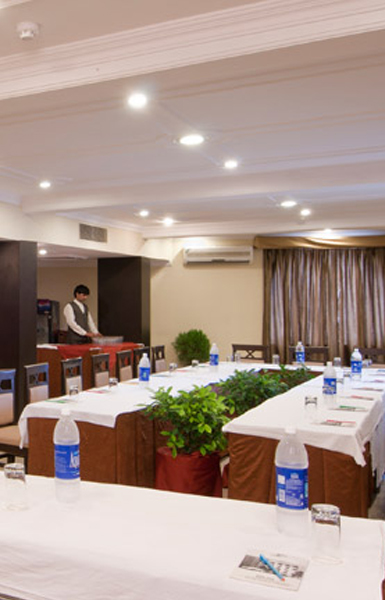
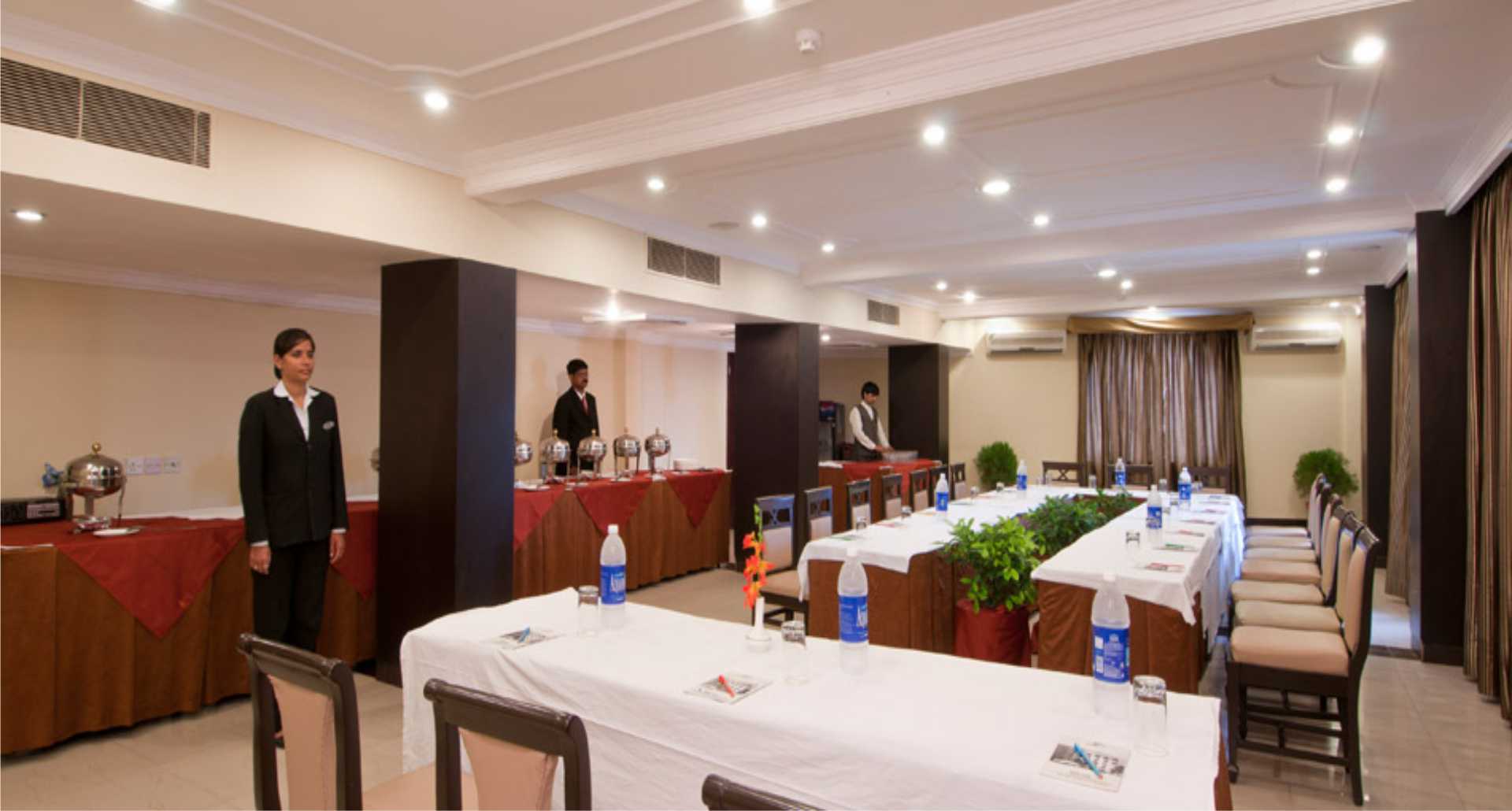
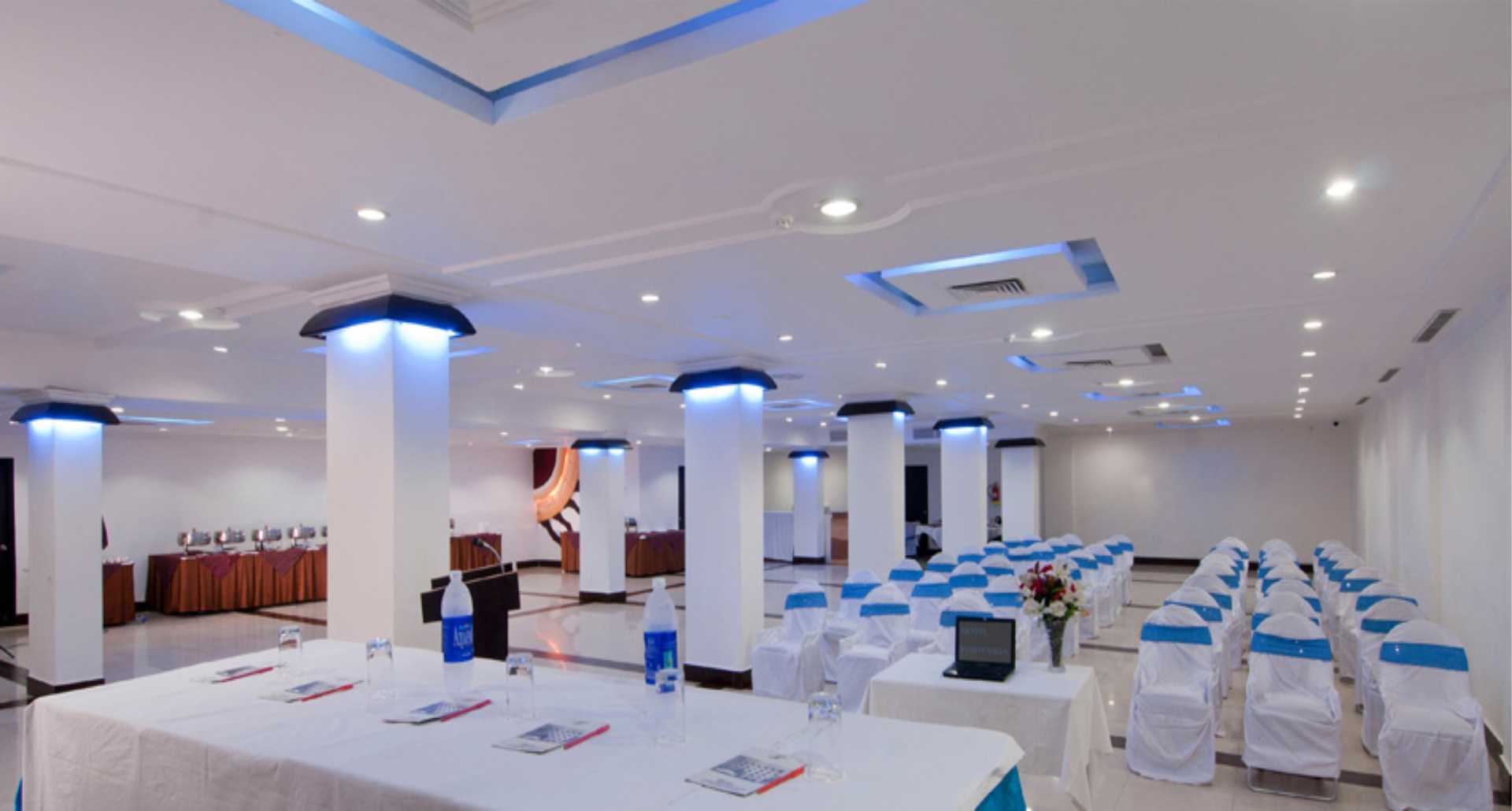
Meeting & Conference
Our conference and private dining facilities offer a one stop meeting
Now More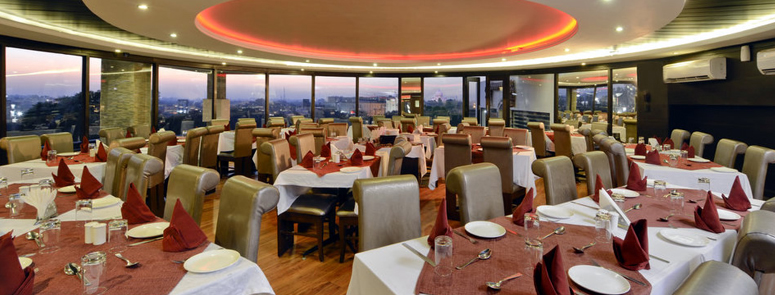
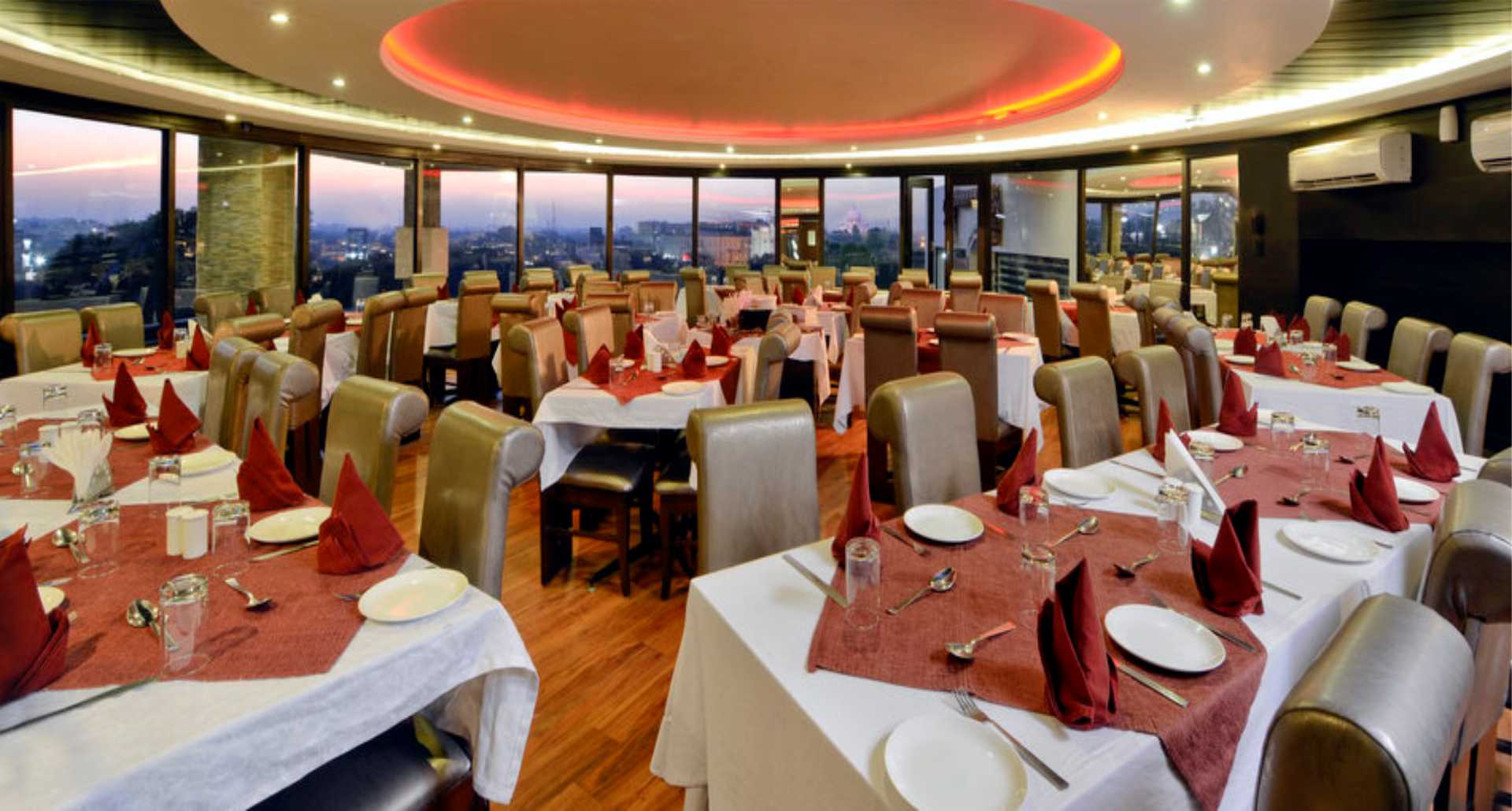
Merry Go Round Restaurant
he only revolving restaurant of Agra serves mouth-watering delicacies
Know More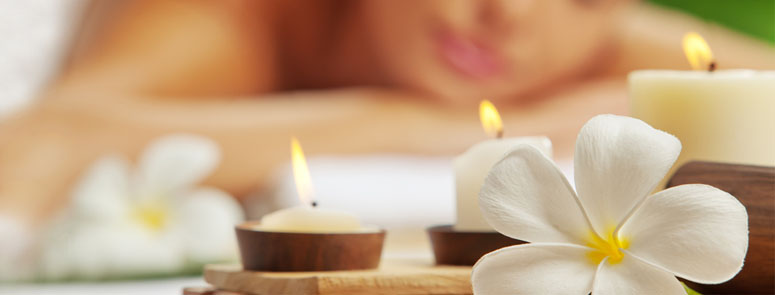
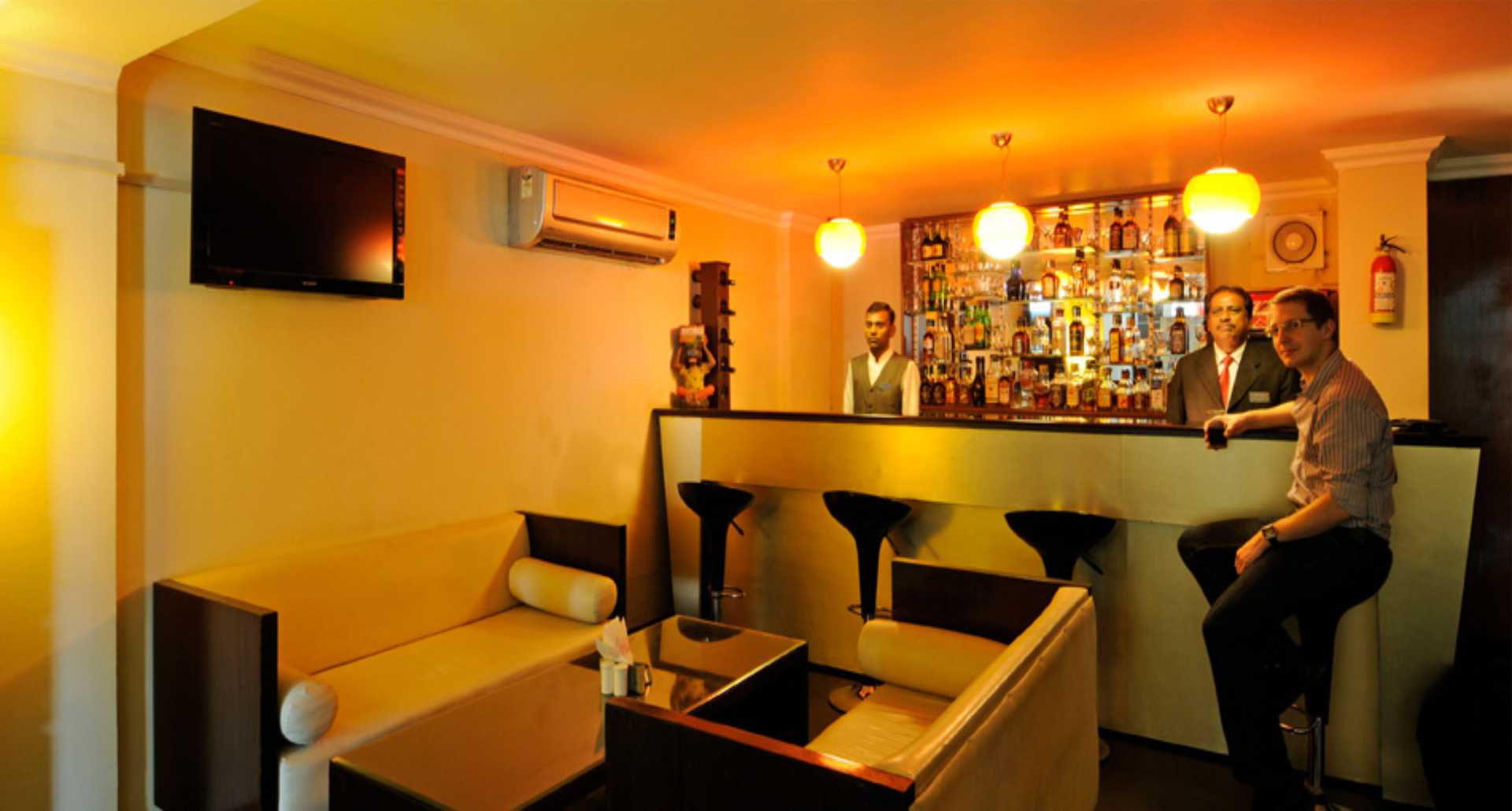
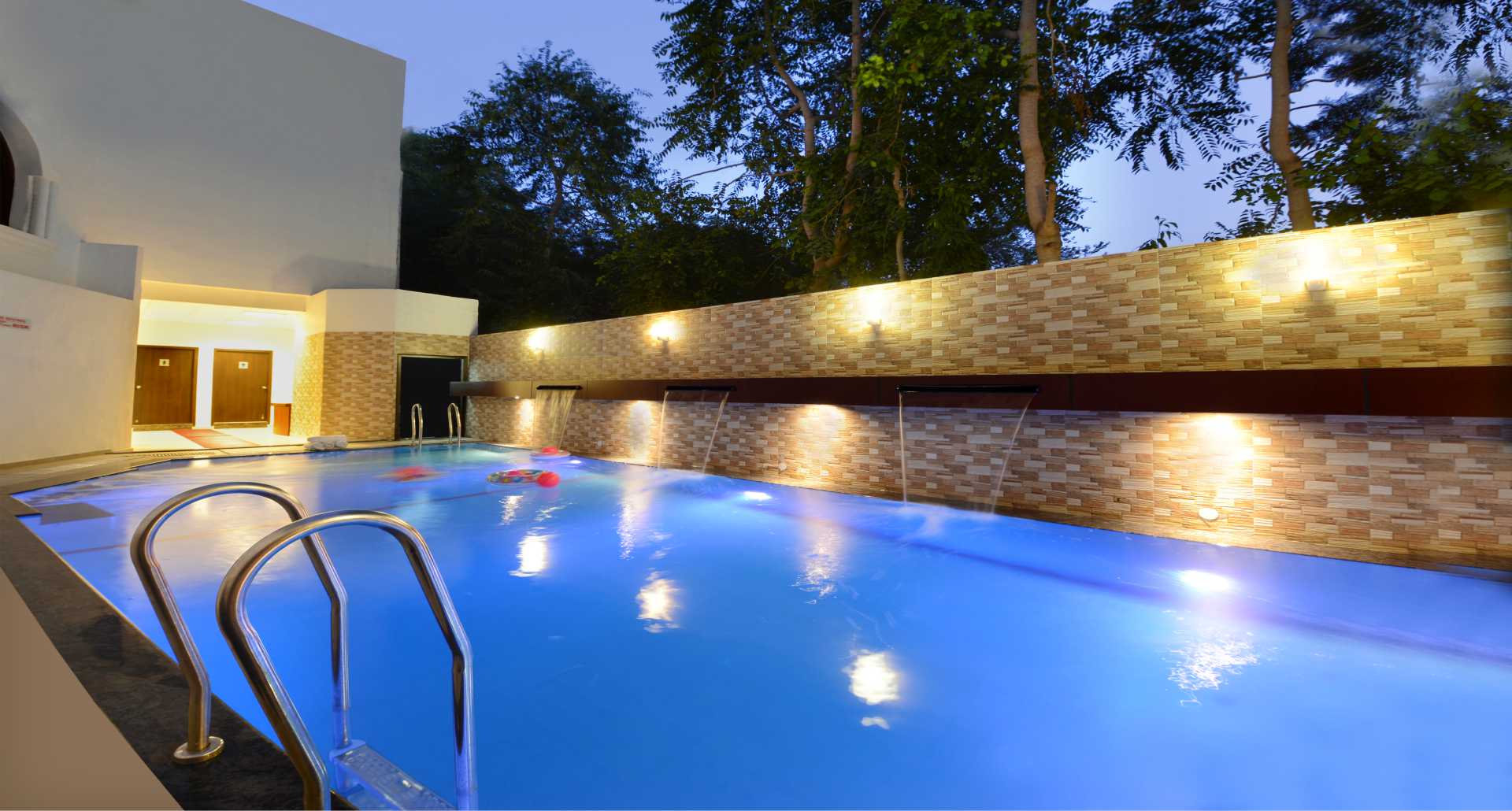
Spa IN HOTEL
Spa in hotel
Know More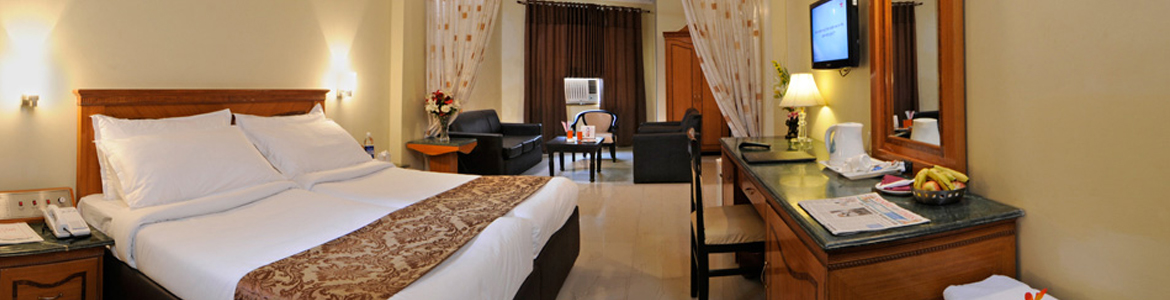
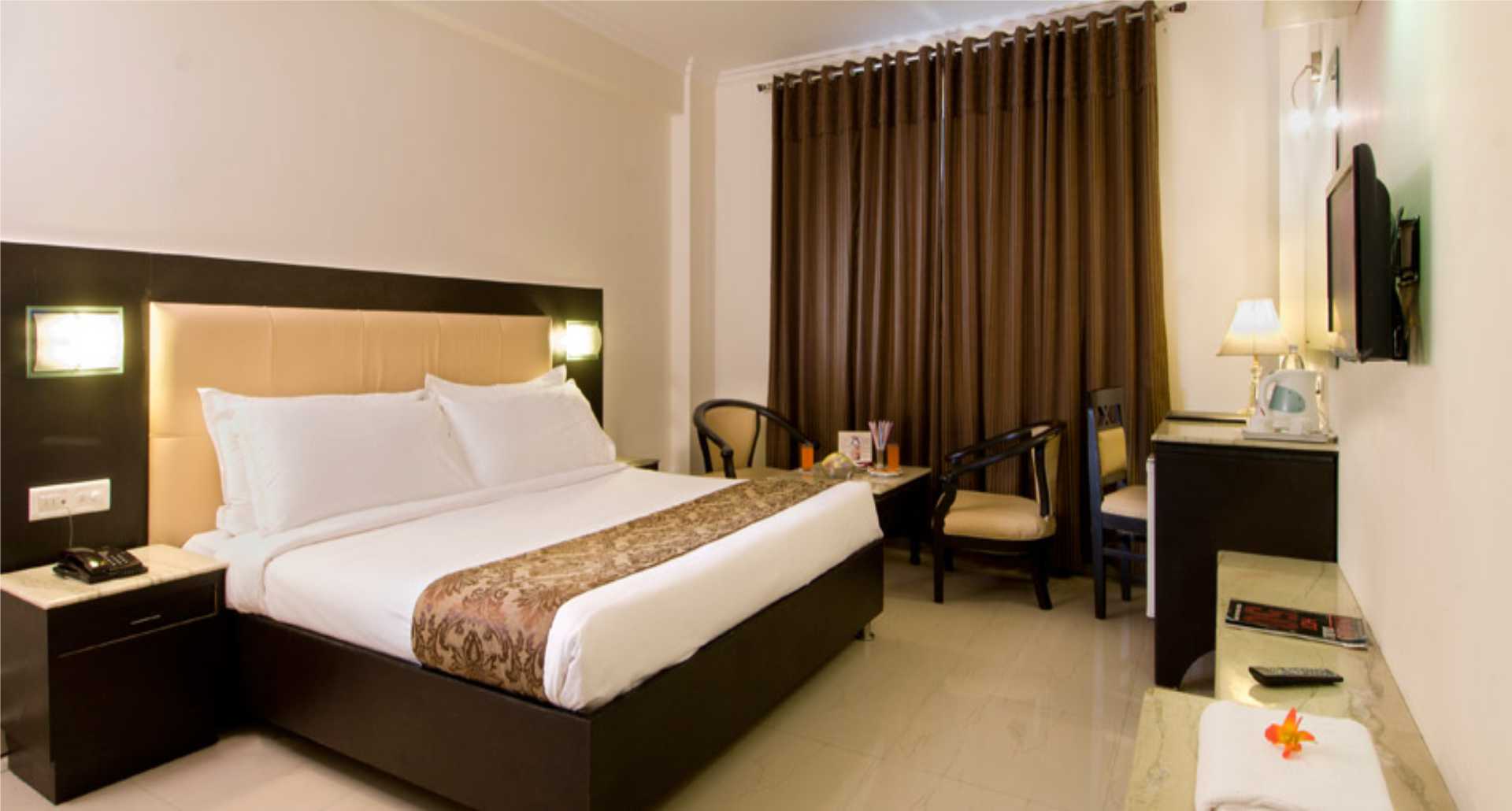
DELUXE BEDROOMS
The Hotel Pushp Villa provides the finest personal service
Know MoreNEAR BY Attractions
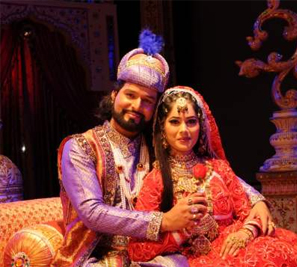
Mohabbat The Taj
The first Indian historical opera 'Mohabbat the Taj' that is a true reflection of 16th Century Mughal era has been solemnized at Kalakriti Cultural and Convention Center. Famous Singers like Alka Yagnik, Kumar Sanu
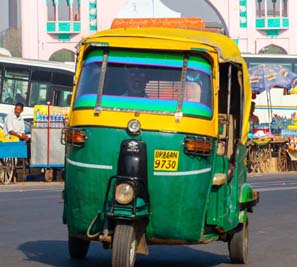
Tuk Tuk Ride
Tuk Tuk's can be called as the lifeline of the city and is highly used by localities for the daily commute. It is cheap and offers a real exploration of the city like a Local. Make the most of the city's popular markets and streets on your Tuk Tuk rides.
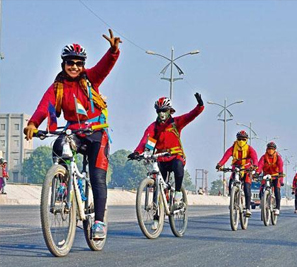
Cycle Ride
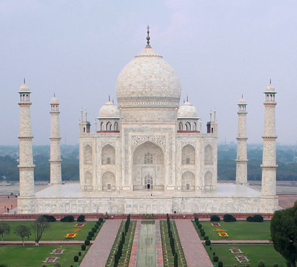
The Taj Mahal is the epitome of Mughal art and one of the most famous buildings in the world. Millions of people visit Agra from all over the world to have a glimpse of this historical remembrance of Love. Hotel Pushp Villa brings you to a very unique way
Excursions
Located 40 Kilometres from Agra, Fatehpur Sikri was built by Emperor Akbar in 1569 in honour of the great Saint Sheikh Salim Chisti who blessed Akbar and prophesied the birth of three sons to the heirless Emperor.
accommodation
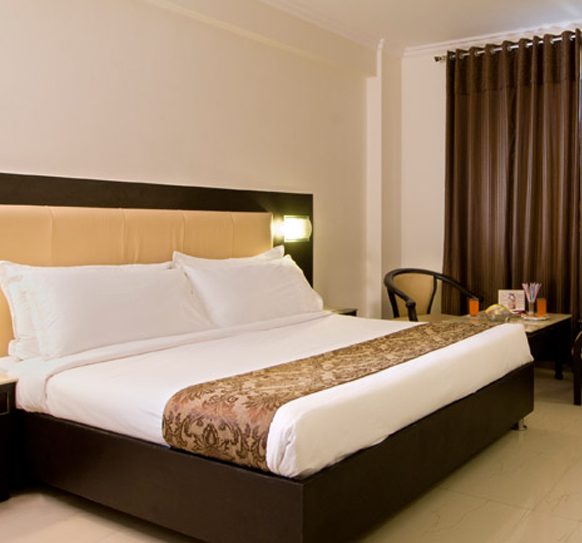
EXECUTIVE ROOM

high speed wifi

one-call doctor

DELICIOUS RESTAURANT

Air Conditioning
Executive Room offers space and comfort ideal for a relaxed getaway or a demanding business trip. Large, well-designed, the suite includes separate lounge and bathroom.
Read More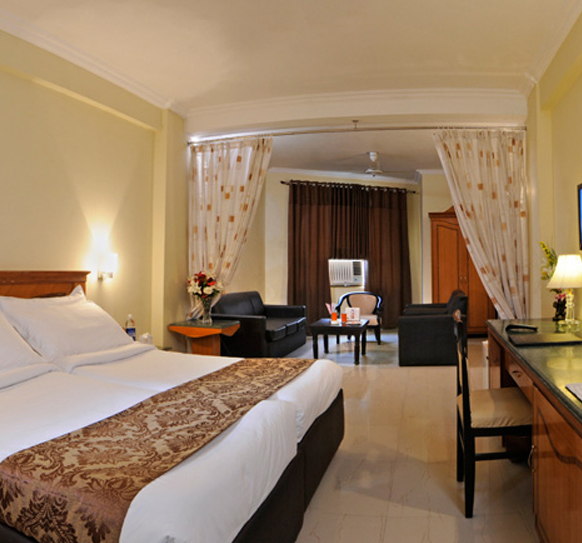
EXECUTIVE SUITES ROOM
high speed wifi
one-call doctor
DELICIOUS RESTAURANT
Air Conditioning
Executive Suites are designed with separate bedroom and living areas to offer unparalleled privacy. These Suites come with a host of amenities suited for the business traveller.
Read More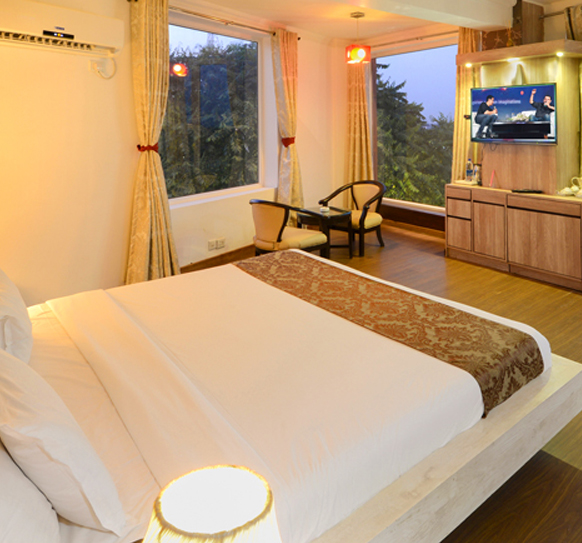
TAJ SUITE ROOM
high speed wifi
one-call doctor
DELICIOUS RESTAURANT
Air Conditioning
Taj Suite Room provides luxurious accommodation with a separate bedroom, living area, dining room. Deluxe Suites come with a host of amenities suited for the business traveller including.
Read More
STAY AT Hotel Pushp Villa
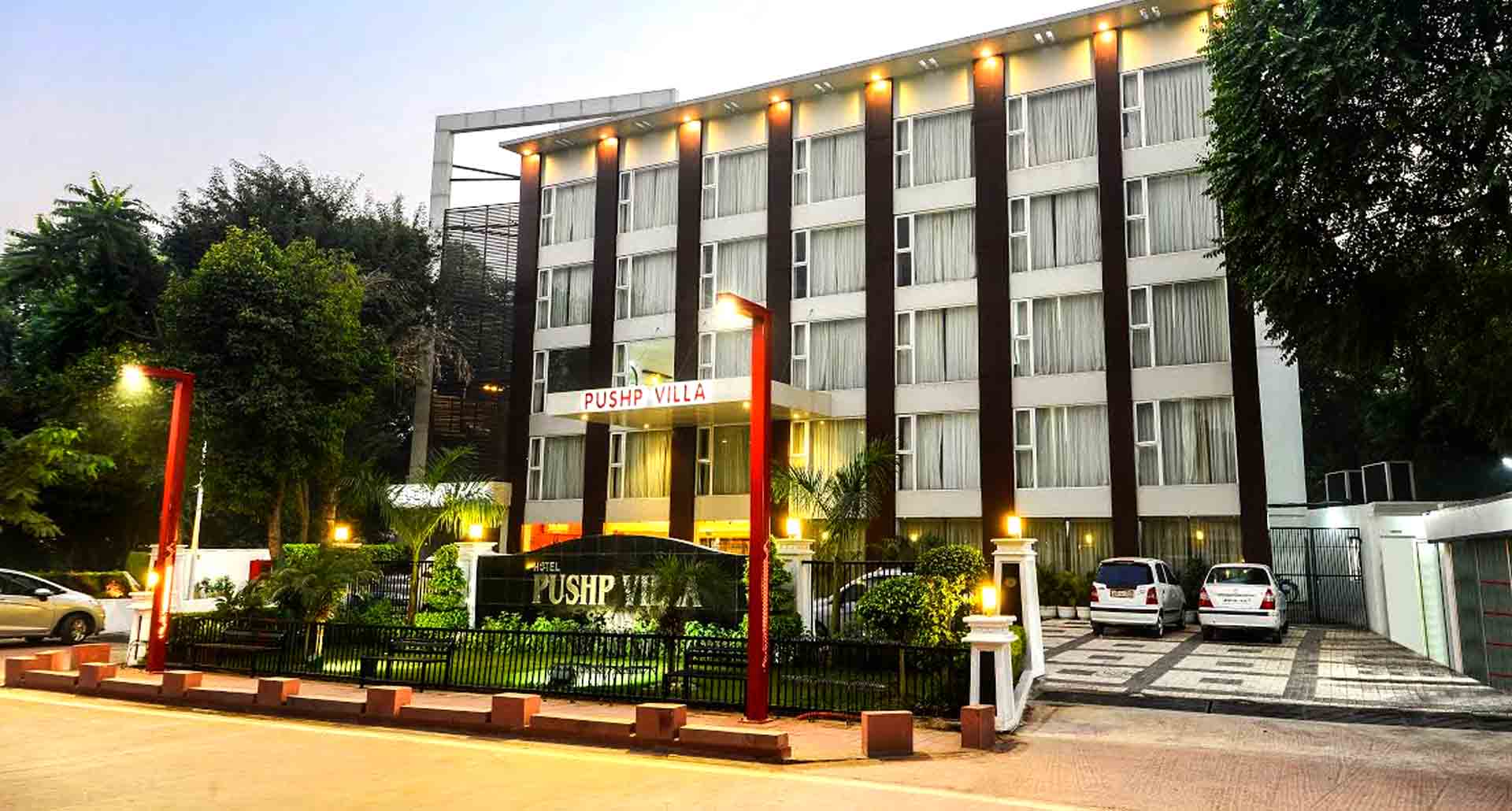
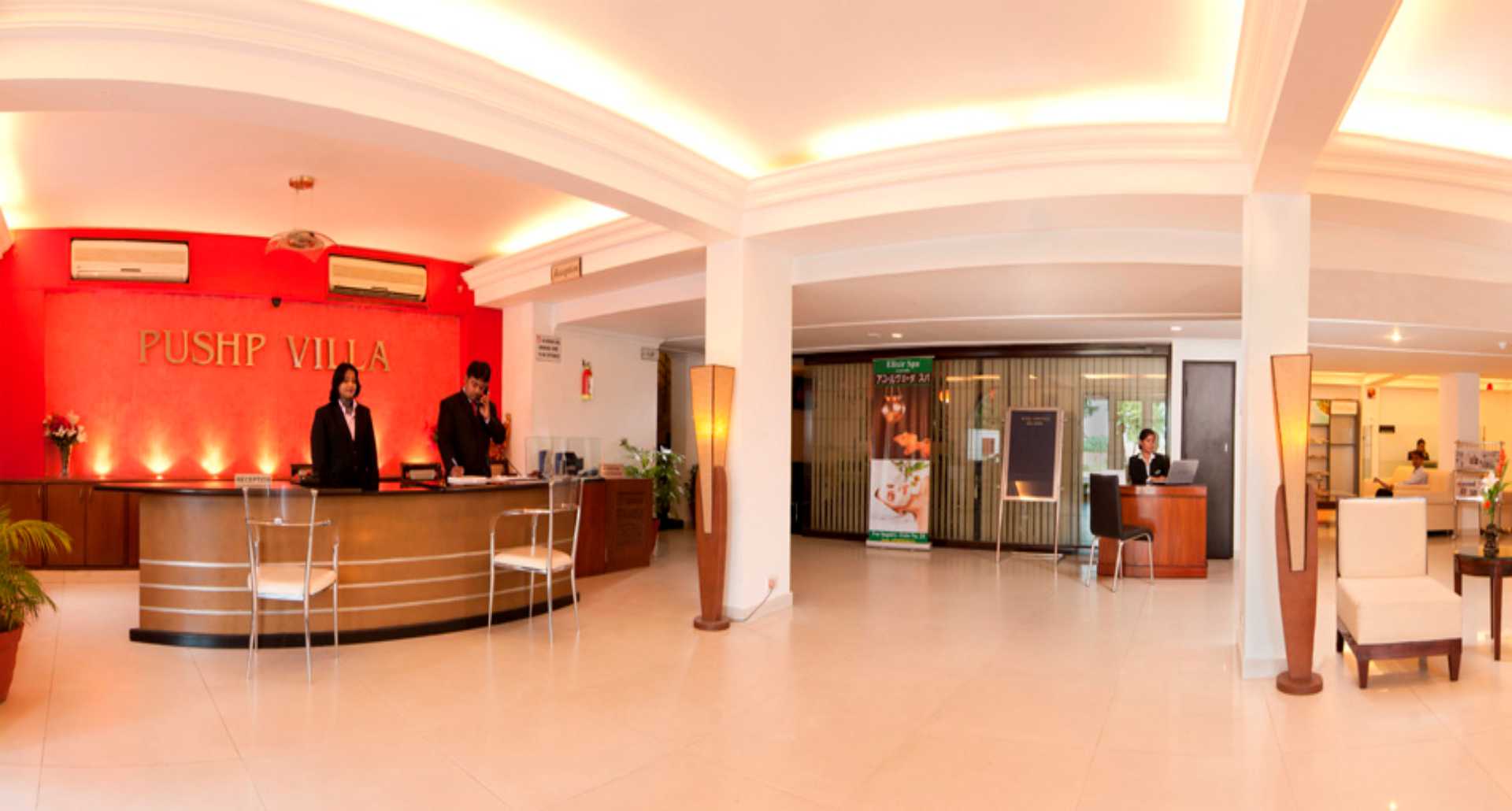
Hotel Pushp Villa is one of the leading 3 star hotel in Agra. a 5 minutes drive from Taj Mahal. Everything inside glistens with the pristine purity of newness, and guest cannot help but marvel at the indulgently lavish decor and innovative artistic design.
Read More
- Write a review of Pushp-Villa Hotel

Amenities
- Total 51 rooms
- Work Desk & Lamp
- Cable/Satellite LCD
- Minibar
- Refrigerator
- Hair Dryer
- in room safe on request
- Individually controlled air conditioning
- Free Morning newspaper delivered to room.
- World link-power and phone/internet connection
what our client says
I would firstly say this is a hotel of convenience and that there are better places to stay with more character on a smaller scale, depending on taste. Whilst it's a cheap Tuk Tuk ride to the Taj Mahal, there are definitely other places to stay with more going on around them & more things to do.

badejay
Stayed here as part of an intrepid tour. Nice service friendly staff clean tidy rooms. On the main strip close to taj mahal. Everything you needed spacious rooms. Restaurant at hotel didn't use but available. All round pleasant stay

Kristie W
The hotel is located at Agra road. There are more than fifty deluxe and super deluxe rooms in the hotel. All the rooms have facilities like mini bus, air conditioning, satellite TV, laundry service, 24 hrs room service etc. The hotel provides free wifi facilities and free parking for the boarders. The staff are trained and bearing good behaviour.
